
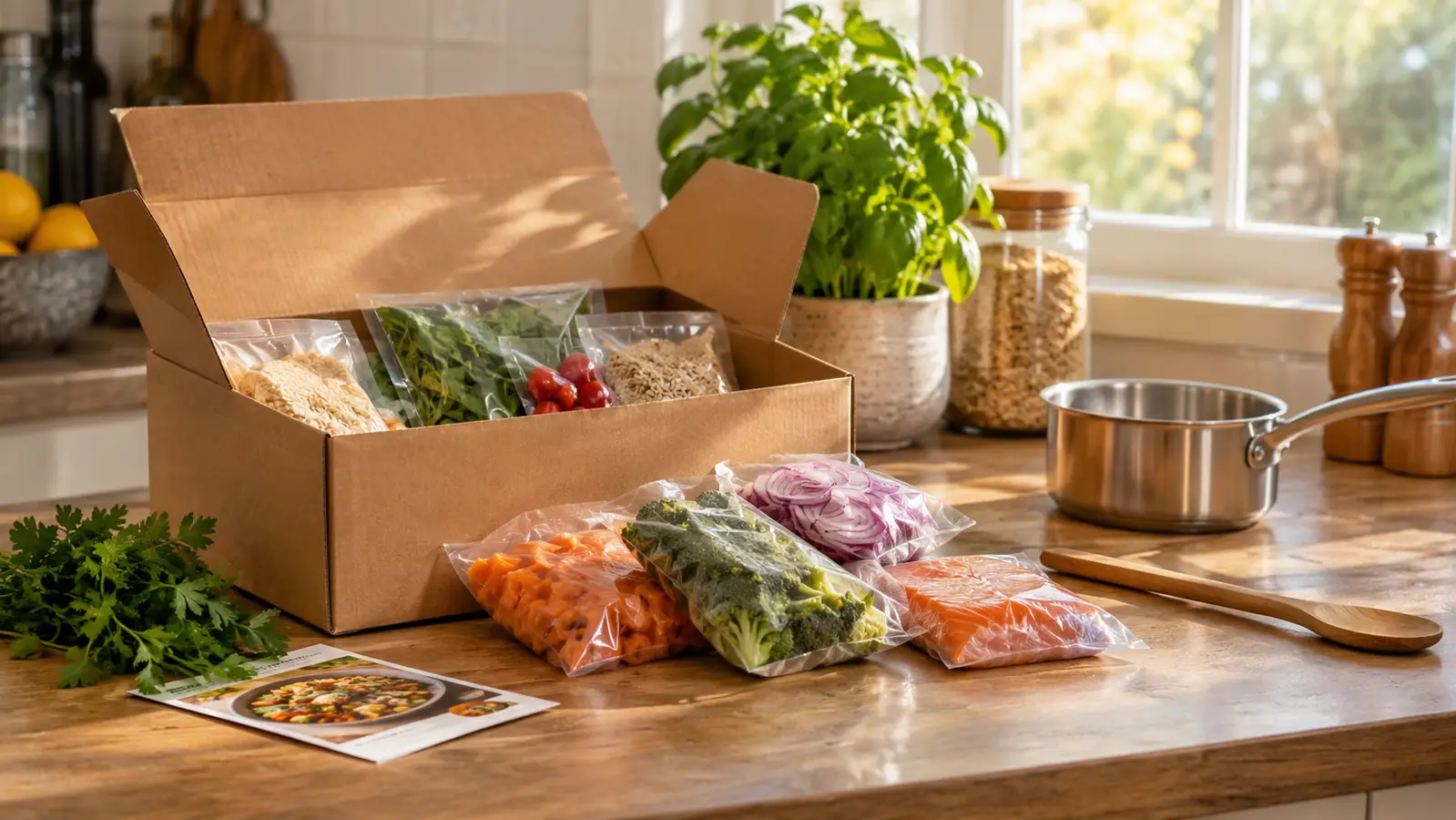
People ask me what they ought to keep in the pantry if the power goes out, and for a long time my answer was a shrug and a shelf of canned goods. A storm the summer before got me moving. Last November I bought two 4Patriots 72-Hour kits, one for me and one for Hollis, and set them on the shelf in the hall closet. Nothing about the purchase was clever. Two kits, no drama, no talk about the end of the world. It is the plainest thing in that closet and the piece I would not want to be without.
Here is the plan in the order I would do it again. Count the mouths and the days. Buy one kit per person. Solve the heat and the water before you congratulate yourself on the food, because the food does not cook itself. Keep a canned pantry and a hand can opener in the kitchen too, since the kit is a floor and not a whole diet. Then write four dates on a calendar and leave the box where you can put your hand on it in the dark. The 4Patriots kit is a simple place to begin. It is not the whole row.
Two People, Three Days, One Kit Each
The 72-Hour kit is 20 servings and about 4,800 calories in a package that sits on a shelf without complaint. It covers the meals, and that is one job off the list.
Amazon Check Today's Price on Amazon →Step 1: Count Your People and Your Days Before You Buy a Single Thing
There are two of us. I am 61, Hollis is 66, and neither of us is carrying firewood up a hill for a living anymore. Three days is the number I planned for, because three days is the window when the road usually opens back up and the power usually comes back with it. That is how the 72-Hour kit is sized, one kit per person for three days. Four people in your house means four kits, or three kits and a pantry that carries real weight on its own.
Do the calorie math out loud before you buy anything. Each kit holds 20 servings and about 4,800 calories total, which works out to about 1,600 calories a day. That is light. A grown man who has been out in the cold dragging limbs off a driveway will want more than that, and so will a teenager. Knowing the number up front keeps you from telling yourself the box is a whole answer. It is a base. You build on a base.
If you want to plan past three days, do not buy a second kit for the same person and call it a week. Get the second person covered first, then let the pantry grow. That order matters because a household with two kits and one person's worth of water is worse off than a household with one kit and a clear head. Write your number on the calendar on the refrigerator. Two people, three days, one kit each. That envelope is the whole plan in one line.
Step 2: Buy One Kit Per Person and Treat It as the Floor
The food is vegetarian, and the meals have names I can read without squinting. Sweet oatmeal. Mac and cheese. Creamy rice and vegetable. It sits in triple-layer Mylar pouches, and the label says the packaging works as a barrier against heat, air and moisture. The same label says it is designed for up to 25 years in storage, with the best results below 75 degrees. I have never kept one that long, so I am telling you what the printing says, not what I have proved.
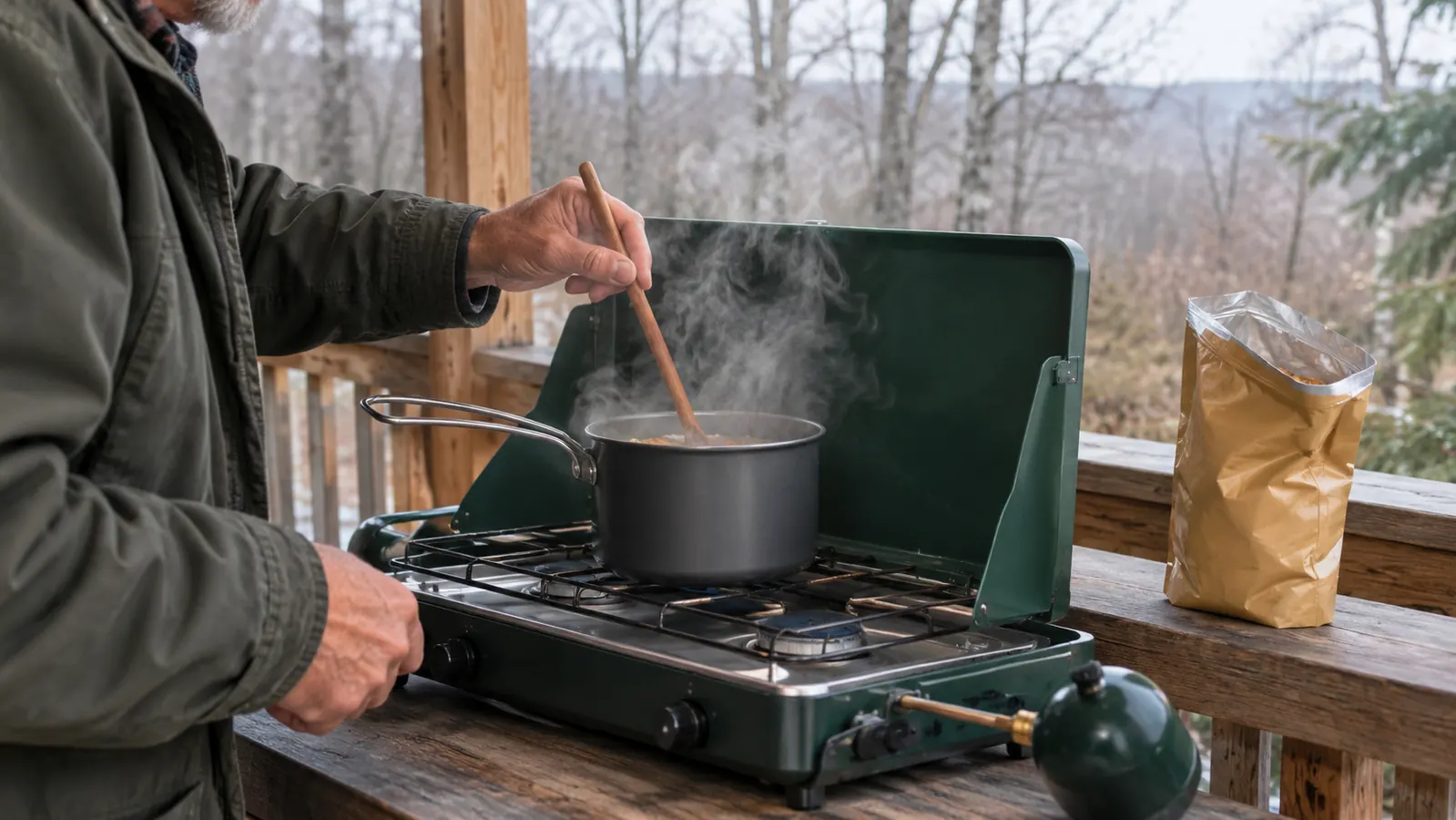
What the kitchen directions actually ask of you is the part people skip. Add boiling water, simmer, and it is about 15 minutes from start to finish. Boiling water and a simmering pot mean water and heat, and a kit that needs both is not something you eat cold out of the pouch in the dark. I want that understood before the box goes on the shelf, because a food plan that forgets the stove is a plan that fails in the first hour. It is not a flaw in the kit. It is the nature of dry food.
I found out how it works in practice last January. The kit box came off the closet shelf on a Wednesday evening and the first meal went on the porch stove. Between that evening and Friday around noon, the two of us ate six meals out of that one kit. I never opened the second kit. Hollis thought the mac and cheese was fine and the oatmeal too sweet, which is the whole of his review and about as much as you will get out of him. The 4Patriots pouches did what the label said they would do.
Step 3: Solve the Heat and the Water Before You Congratulate Yourself on the Food
A food kit you cannot cook is a box of decoration. In this house the cooking happens on a two-burner propane camp stove, outside on the back porch, and nowhere else. Not the kitchen, not the garage, not a shut-up screen room. A camp stove indoors will kill you and it will do it quietly, and no meal is worth that. Two small propane cylinders live beside it. Across three days we used one and part of the second, and that was cooking six meals for two people.
Water is the other half of that. We keep six gallons of bottled water on hand, and by the end about two gallons were left. A good share of what we used went into the food, because the pouches want boiling water and then a simmer. If your plan is food only, with no water counted, you have half a plan and you will find out which half at the worst possible time. Count the gallons the same way you counted the mouths, and count them high.
Then count the small things that light a stove. I had let the camp stove lighter go missing before that storm and we lit the burner with kitchen matches, which worked and which I did not enjoy one bit. There is a spare lighter with the camp stove now. It is not a glamorous entry on anybody's list, but it is the one I would have been gladdest to have on that particular evening, standing on a cold porch with a box of dry food and no flame.
Step 4: Keep a Canned Pantry in the Kitchen Too
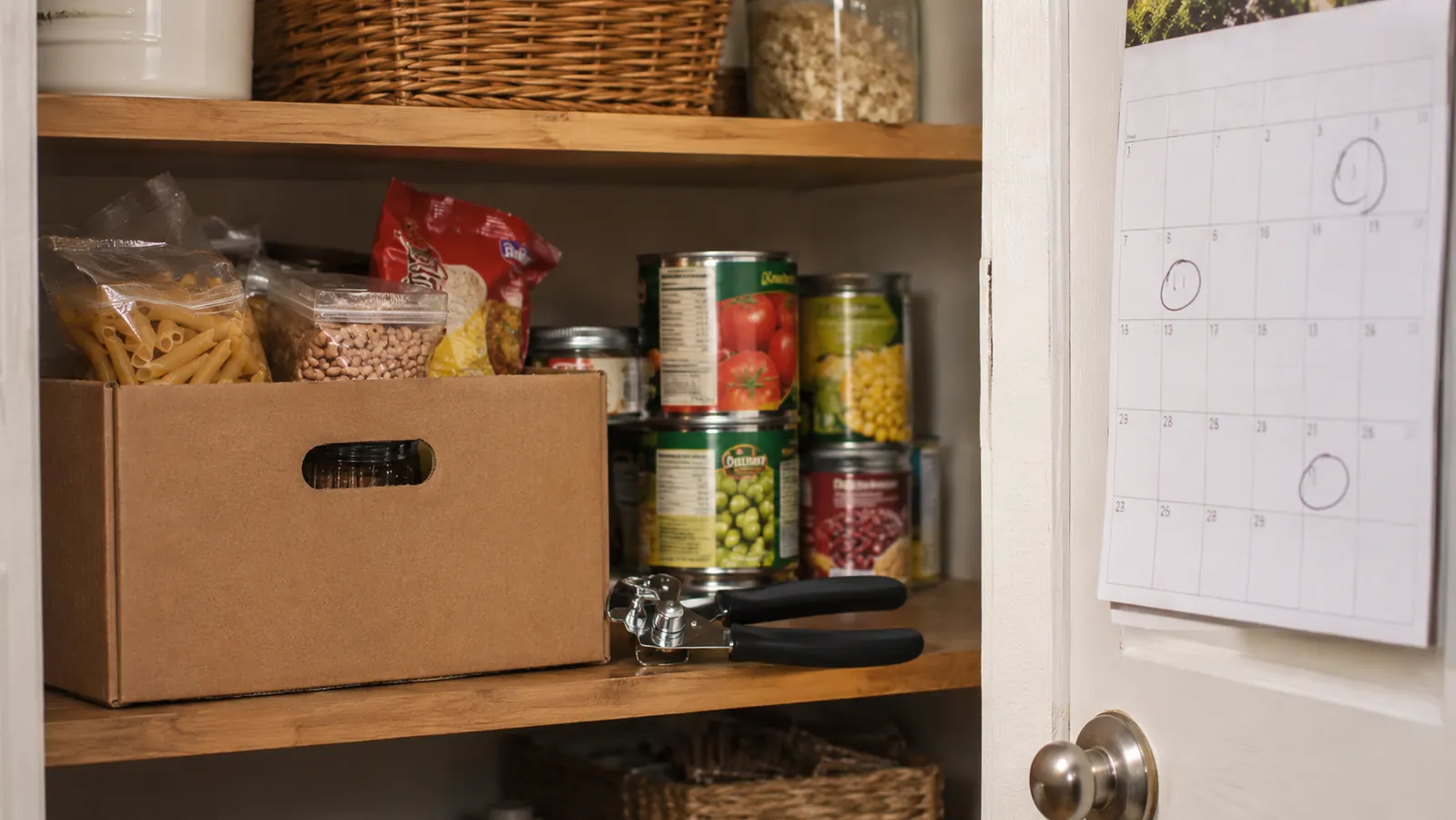
The kit is the floor. The pantry is what makes three days livable. Cans of the things you already eat, and a hand can opener sitting right with them. Not the electric one on the counter, which is a paperweight the moment the power drops. Go through the pantry twice a year, eat what is getting old, and put it back. A pantry you are afraid to touch is a museum, not a supply, and museum food is what people end up throwing out in a parking lot.
What the cans are really for is the refrigerator. We ate out of the refrigerator Tuesday night and all day Wednesday, and on the third day the food in it was lost. A refrigerator is not storage when the power is out. It is a countdown with the door shut. The cans are what you have when the countdown runs out and the kit has already done its three days. That is the honest reason to keep them, and it has nothing to do with whether you like green beans.
Keep the pantry in the kitchen where you cook, not down a basement stair with a flashlight. Two cabinets will hold more than most people expect once you stop buying in bulk and start buying what you actually eat in a normal month. And put the can opener in the same cabinet as the cans, not in a drawer across the room, because in the dark the drawer is a different country. Small thing. It is the small things that decide how a bad week goes.
Step 5: Store the Box Where You Can Find It in the Dark, and Put Four Dates on the Calendar
Both kits live on the shelf in the hall closet, together in their one box. Not the shed, not the garage, not the top shelf where you need a ladder and a good attitude. The label asks you to keep the food away from temperatures above 75 degrees, and a closet inside a heated house is about as close as most of us get to that. If you have to move furniture to reach your food, you have hidden it from yourself, and you will remember that at the wrong moment.
Four dates go on the calendar: the first of March, the first of June, the first of September and the first of December. That is when the hall closet gets walked through, shelf by shelf, and it takes about ten minutes if you do not stop to reorganize. The kit we ate from in January was replaced in March. A box you never look at is a box you find empty, or dated wrong, on the night you finally need it. Ten minutes, four times a year. That is the whole maintenance schedule.
One more thing, and it is the one I would put at the top of this page if I could. Write the cooking directions on an index card and tape it to the lid. In the dark, with a flashlight in your teeth and a pot of water starting to move, you do not want to be reading a folded pamphlet with cold hands. Copy the water amount and the simmer time exactly as the package gives them. Do not trust your memory at nine at night in January.
What Else Helps
Food is one column of a short list. A battery weather radio is what told us about the boil water notice that Wednesday, and it did it on the six AA batteries that came in the box. If the power goes and your phone is your only source of news, you are one dead battery away from guessing. The radio cost me less peace of mind than anything else in that closet, and it does one job, which is the job I need it for.
Backup water treatment is worth having and worth understanding before you need it. The filter I keep does not remove viruses, chemicals, fuel or salt, and floodwater can carry all of those. It is one person at a time, not a household supply, so it is a last resort and not a plan. When the notice came, we boiled on the porch stove or drank bottled, exactly as the notice said, and I would do that again before I reached for a filter. Follow your own utility's instructions first.
And keep the paper. A printed list of medications, a copy of your insurance card, cash in small bills, a spare pair of glasses. That is the bag by the closet door, not the food shelf, but the two belong to the same Saturday afternoon of work. The food kit took me about an hour to order and ten minutes to shelve. The rest of the list came one piece at a time over a few months, and not one piece of it was bought as a set.
Six meals came out of one kit between a Wednesday evening and a Friday noon, two of us eating together, and I never opened the second kit.
One Box on a Shelf Beats a Perfect Plan You Never Start
Two kits, one per person, on the closet shelf. The heat, the water and the pantry can follow one piece at a time over the next few months. This is a piece I would do again.
Amazon Check Today's Price on Amazon →